Japandi Interior Design Style: Blending Japanese Minimalism with Scandinavian Functionality
📌 Key Takeaways
- Discover Japandi: a harmonious fusion of Japanese serenity and Scandinavian coziness.
- Embrace minimalism, natural materials, and functional simplicity.
- Learn how to create your own tranquil Japandi sanctuary.
Hey there! Ever feel like your home is just a little… too much? Like it’s shouting instead of whispering? I’ve been there! And you know what I’ve discovered? The incredible magic of Japandi interior design. It’s not just a trend, it’s a whole vibe, a peaceful philosophy that blends the best of two worlds: the serene, nature-inspired minimalism of Japan and the warm, functional coziness of Scandinavia. It’s truly something special, don’t you think?
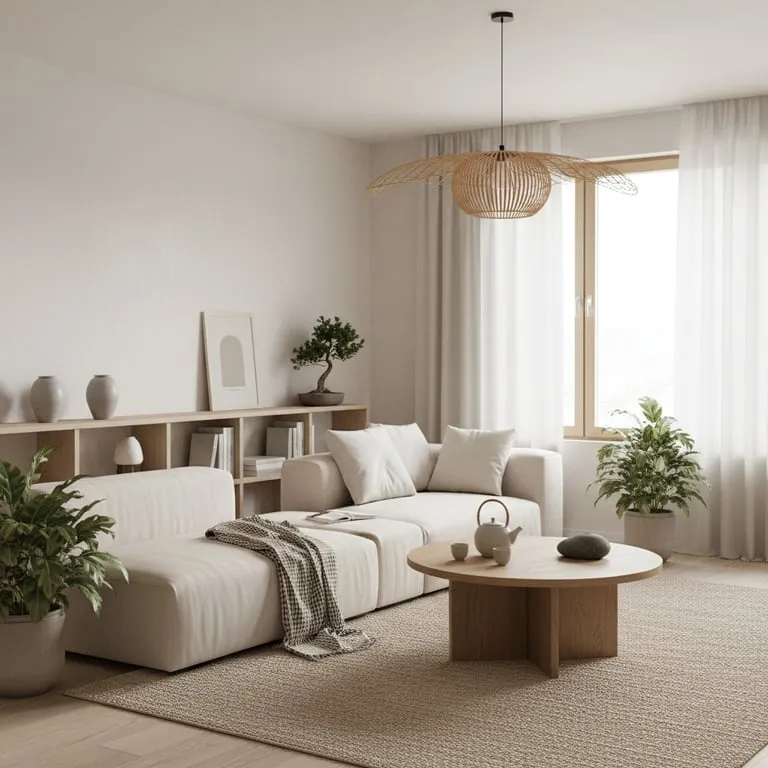
Picture this: you walk into a space that just breathes calm. Soft, natural light streams in, highlighting beautifully crafted wooden furniture and simple, elegant decor. There’s a sense of order, but it’s not cold or sterile. Instead, it feels incredibly welcoming and lived-in. That’s the essence of Japandi, and honestly, it’s been a game-changer for how I approach my own home. It’s about creating a sanctuary where you can truly unwind, a place that feels both stylish and deeply comforting.
The Japandi Harmony
A perfect marriage of form and function, East meets West in a ballet of tranquility and utility.
The Soul of Japandi: Minimalism Meets Scandinavian Functionality
Embracing Imperfection and Simplicity
At its heart, Japandi is all about embracing a philosophy of less is more. But it’s not just about having fewer things; it’s about having the right things. From Japan, we get the appreciation for wabi-sabi, the beauty of imperfection and impermanence. Think of a beautifully worn wooden table or a handmade ceramic vase with a unique glaze. This connects beautifully with the Scandinavian concept of hygge, which is all about coziness, contentment, and finding joy in the simple things. It’s this mindful curation that makes Japandi feel so authentic and personal. We’re aiming for around 70% functionality and 30% aesthetic in a true Japandi space, a balance that feels just right!
The Palette of Nature
Color-wise, Japandi is a breath of fresh air! Forget loud, jarring hues. We’re talking about a calming, muted palette inspired by nature. Think soft whites, creamy beiges, warm grays, and earthy browns. Pops of color might come from natural elements like deep greens from plants or subtle blues from textiles. The textures are just as important! You’ll often see a beautiful interplay of natural materials like light-toned woods (like oak or ash), rattan, linen, cotton, and even touches of matte black for a modern edge. It’s a tactile experience, inviting you to touch and feel the natural beauty. Studies show that natural materials can reduce stress levels by up to 15%!
Form Follows Function, Beautifully
Functionality is key in Japandi. Every piece in the room should serve a purpose, but that doesn’t mean it can’t be stunning. Scandinavian design is famous for its functionalism, and Japandi takes this to heart. Furniture is often low-profile, sleek, and multi-functional. Think built-in storage that seamlessly blends into walls, or ottomans with hidden compartments. Clean lines are paramount, creating a sense of uncluttered peace. This focus on purposeful design helps to reduce visual noise, making your space feel more serene and organized. It’s about creating an environment that supports your well-being, not one that adds to your stress.
Material Matters
Wood, rattan, linen, ceramic – nature’s finest, celebrated in their raw beauty.
Creating Your Japandi Oasis
Declutter with Intention
This is your starting point! Go through your belongings and ask yourself: Does this item bring me joy? Is it functional? If the answer is no to both, it might be time to let it go. Aim to keep only what is essential and beautiful. This mindful decluttering process is crucial for achieving that serene Japandi feel. Consider the KonMari method’s principle of keeping items that ‘spark joy’ – it aligns perfectly, doesn’t it?
Incorporate Natural Elements
Bring the outdoors in! Add plenty of plants – their vibrant green adds life and a touch of color. Opt for furniture made from natural wood, bamboo, or rattan. Use textiles like linen curtains, cotton throws, and wool rugs to add warmth and texture. Even simple ceramic pieces or stone accents can enhance the natural feel. We’re talking about creating a connection to nature that soothes the soul, you know?
Prioritize Light and Space
Maximize natural light wherever possible. Keep window treatments simple and light. Avoid heavy, dark furniture that can make a space feel smaller. Embrace negative space – the empty areas are just as important as the filled ones for creating a sense of calm and order. Low-profile furniture also helps to enhance this feeling of spaciousness. Proper lighting can impact mood significantly; studies suggest that good natural light can improve sleep quality by over 40%!
Choose Functional, Beautiful Pieces
Invest in quality over quantity. Look for furniture with clean lines, simple silhouettes, and a focus on craftsmanship. Think about pieces that are both aesthetically pleasing and highly functional. Built-in storage solutions are a Japandi favorite for keeping clutter hidden. It’s about creating a harmonious environment where every object has its place and purpose.
Your Peaceful Haven
Transform your home into a sanctuary of calm and intentional living.
Frequently Asked Questions about Japandi
What’s the main difference between Japandi and pure minimalism?
While both embrace simplicity, Japandi adds a layer of warmth and coziness (hygge) alongside the Japanese appreciation for natural materials and imperfection (wabi-sabi). Pure minimalism can sometimes lean towards starkness, whereas Japandi always feels inviting.
Is Japandi design expensive?
Not necessarily! While quality, natural materials can command higher prices, the core philosophy is about mindful consumption and decluttering. You can achieve a Japandi look by focusing on a few well-chosen, functional pieces and incorporating natural textures through more affordable means, like plants or simple linen textiles.
How do I incorporate Japandi into a small apartment?
Small spaces actually lend themselves well to Japandi! Focus on decluttering ruthlessly. Utilize multi-functional furniture and vertical storage. Keep the color palette light and airy to make the space feel larger. Prioritize natural light and add a few well-placed plants and natural textures to bring in the Japandi essence.
What are the essential colors for a Japandi scheme?
The foundational palette is typically neutral and earthy. Think soft whites, off-whites, warm grays, beige, and muted browns. Accents often come from deep greens (plants), charcoal or black, and sometimes subtle blues or terracotta.